Promotional Conditions and Their Impact on Roulette Game Preferences in Online Environments
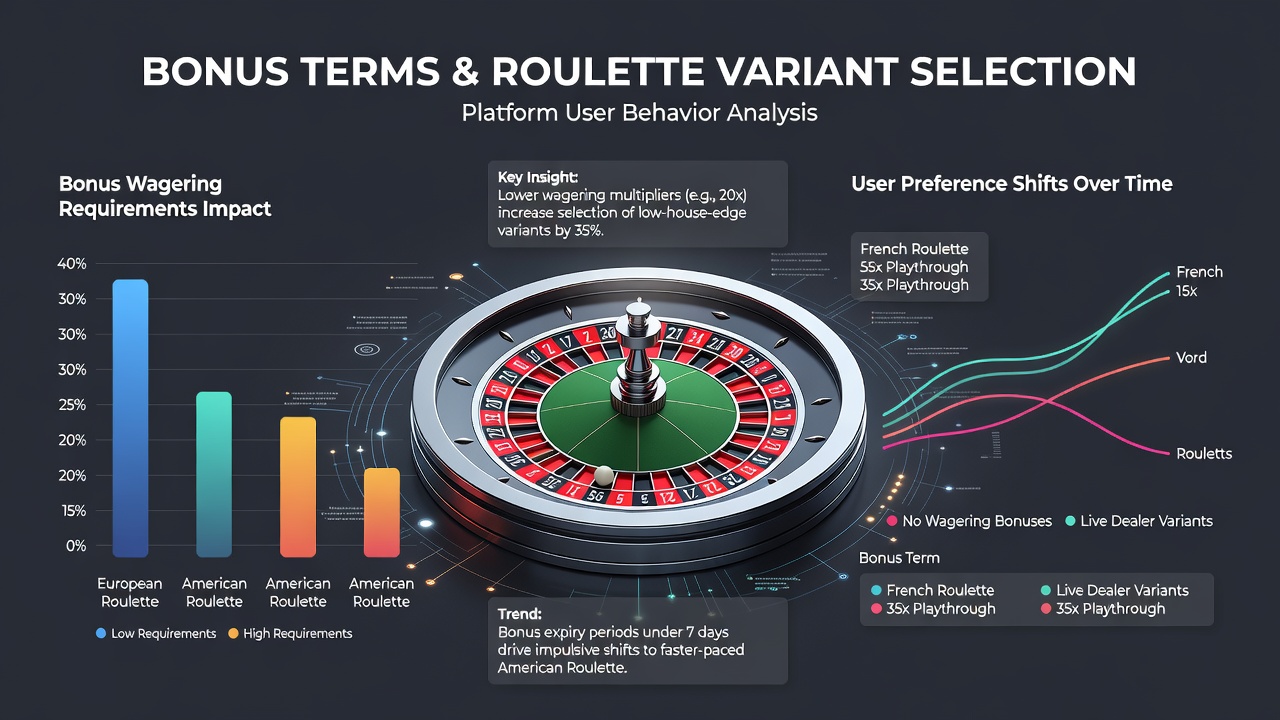
Platform operators structure bonus offers with specific wagering requirements, contribution percentages, and eligible game lists that directly affect which roulette variants users select during promotional periods, and data from industry analyses indicate these conditions create measurable shifts in player behavior across multiple regions. European roulette, with its single zero and lower house edge, often receives higher selection rates when bonus terms assign full contribution value to the game, whereas American variants with double zeros see reduced play when operators limit their eligibility or apply partial contribution rates.
Core Mechanics of Bonus Structures
Bonus terms typically include wagering multipliers ranging from 20x to 50x the deposit amount, yet the percentage assigned to roulette games varies widely between platforms, with many operators setting roulette contributions at 50 percent or less of other casino games; this setup encourages users to prioritize variants that maximize progress toward requirement completion within the allowed timeframe. Research from academic institutions shows that when French roulette includes the la partage rule, players gravitate toward it under bonuses that recognize its lower effective house edge, since the rule returns half the stake on even-money bets landing on zero and thereby extends play duration.
Variant Characteristics and Term Interactions
European roulette wheels contain 37 pockets while American versions include 38, creating a house edge difference of 2.7 percent versus 5.26 percent respectively, and bonus conditions that restrict double-zero games or assign them lower contribution percentages lead to documented drops in their selection rates among users chasing completion targets. Platform data reveals that when operators allow full wagering progress on European tables but cap American roulette at 20 percent contribution, users shift selections accordingly within the first week of promotional activation, and this pattern holds across both desktop and mobile interfaces.
Observers tracking user logs note that bonus expiration windows of seven to 30 days further amplify these effects, because shorter timeframes push players toward faster-completion variants like European roulette that offer quicker bet resolution and lower risk per spin. Those who study platform analytics find that games with built-in features such as the en prison rule in French roulette gain traction when bonus rules permit their inclusion without additional restrictions, since these mechanics reduce variance and help sustain bankrolls through extended sessions.
Observed Patterns in User Behavior
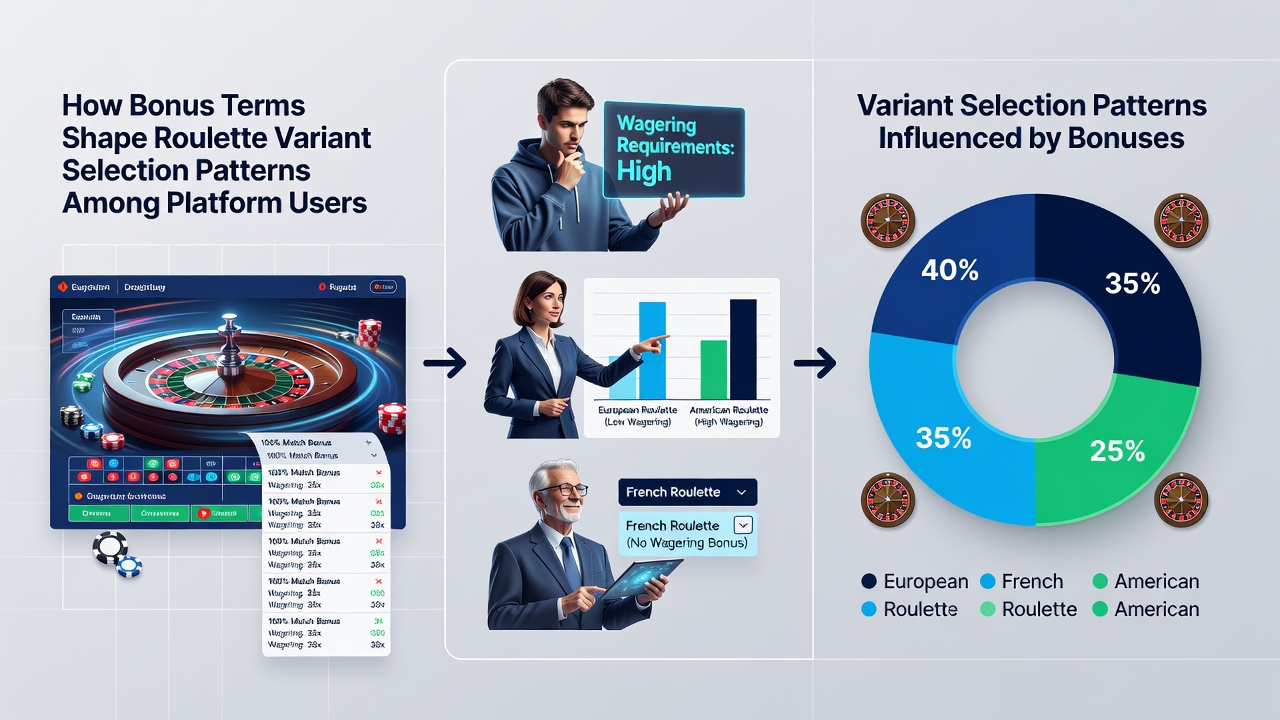
Studies conducted through 2026 indicate that users exposed to high wagering multipliers tend to avoid American roulette entirely when the bonus terms exclude it from eligible games, while the same cohort increases activity on European tables by an average factor of three when contribution rates reach 100 percent. Figures from regulatory reports in multiple jurisdictions reveal consistent geographic variations, with players in European markets showing stronger preference shifts toward French roulette under bonus conditions that explicitly list its rules as qualifying, whereas North American users demonstrate more balanced distribution when platforms apply uniform contribution rates across variants.
One analysis of transaction records found that platforms introducing tiered bonuses, where higher deposit levels unlock better contribution percentages for low-house-edge games, experience corresponding increases in European and French roulette sessions during the active period. This occurs because users calculate expected value based on both the bonus amount and the variant's inherent odds, leading to strategic selections that align with the specific constraints listed in the terms and conditions.
Data Sources and Industry Reports
According to findings published by the American Gaming Association, bonus structures incorporating game-specific restrictions correlate with measurable changes in roulette variant popularity on licensed platforms, and similar patterns appear in reports from the European Gaming and Betting Association covering activity through mid-2026. University-led examinations of player logs further confirm that contribution percentages below 50 percent for any given variant reliably reduce its selection frequency regardless of the underlying payout structure.
Regional and Temporal Variations
July 2026 platform updates introduced several operators adjusting their roulette contribution frameworks in response to updated compliance requirements, resulting in temporary spikes in European variant selections where new terms granted higher weighting to single-zero wheels. Those monitoring these shifts report that users quickly adapt by reallocating play sessions toward qualifying games, with minimal carryover to restricted variants once the promotional window closes.
Conclusion
Bonus terms function as primary determinants in roulette variant selection across digital platforms by establishing contribution rates, eligibility lists, and completion timelines that guide user decisions toward specific wheel configurations. Evidence from regulatory and academic sources demonstrates that these conditions produce predictable redistribution of play volume among European, American, and French variants, with lower-house-edge options gaining share when terms align favorably. Platform operators continue refining these parameters, and ongoing data collection shows sustained influence on user patterns through the remainder of 2026.